
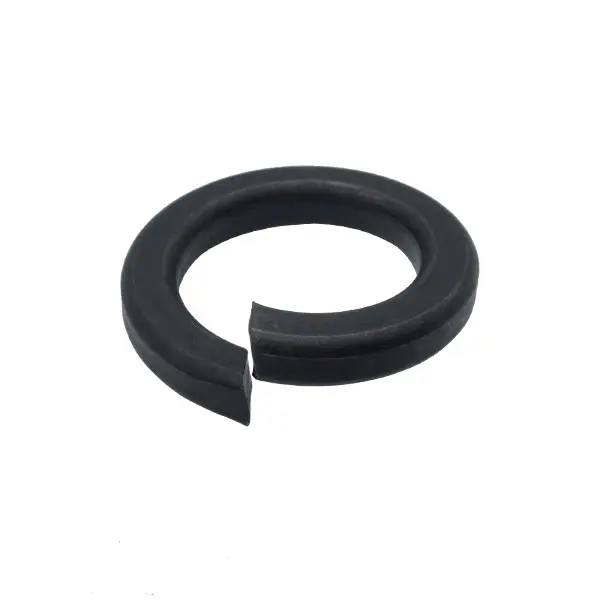
DIN 127 Spring Lock Washers Form A/B
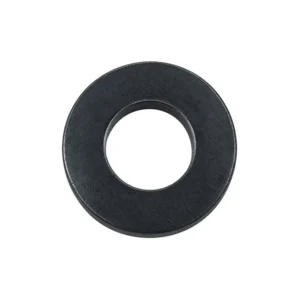
DIN 127 spring lock washers are split, helical washers used with metric fasteners. Form A has tang ends, while Form B has square ends.
Standard
DIN 127 A, DIN 127 B, PN 82008
Material
Spring Steel, Stainless Steel
Size Range
M3-M48
Product Information
Product Code
CB-DIN127-SLW
Standard
DIN 127 A, DIN 127 B, PN 82008
Material
Spring Steel, Stainless Steel
Grade
Grade 2, A2, A4
Size Range
M3-M48
Surface Finish
Plain, Zinc Plated, Hot Dip Galvanized, Zinc Flake
Packaging
Bulk packaging, carton packaging, pallet packaging, and custom packaging available
Customization
Custom sizes, materials, and surface finishes available
Lead Time
Negotiable.
Product Overview
DIN 127 spring lock washers are split, single-coil washers with a helical profile used in bolted joints. Unlike flat washers, their washer body is not planar; the split and spring-like geometry allow the ring to exert elastic reaction within the joint. They are commonly identified as spring washers, spring lock washers, or split spring washers.
The DIN 127 series includes two commonly identified forms. Form A has tang ends, with the ends extending beyond the main washer profile. Form B has square ends, producing a more conventional straight-ended split washer. These distinctions are part of the product geometry rather than different material grades or strength classes. DIN’s 1987 record describes the standard as spring lock washers with square ends or tang ends.
The two forms are therefore not interchangeable simply because their nominal diameter is the same. The end configuration affects the washer’s contact geometry around the fastener and the available space in the joint. Form A is commonly listed as a tang-end spring lock washer, while Form B is commonly listed as a square-end spring lock washer in current industrial catalogs.
DIN 127 is a legacy standard and is currently withdrawn, but the DIN 127 A and DIN 127 B designations remain widely used in commercial fastener specifications and product catalogs. Typical metric sizes cover a broad range from small fasteners through large diameters, with dimensional tables extending to M48 and beyond in some commercial listings.
When selecting a DIN 127 washer, the form, nominal fastener diameter, washer dimensions, material, and required mechanical properties should be considered together. For applications where maintaining preload under vibration or dynamic loading is critical, the joint design should not rely on a conventional split spring washer alone.
Related Products
Ready to Source This Fastener?
Need a quotation, technical support, or custom fastener solutions? Complete the form below, and we'll provide the information you need for your project.