
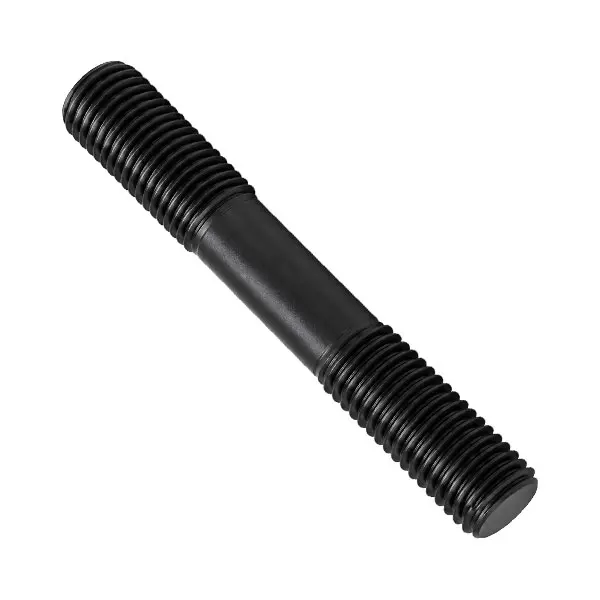
DIN 939 Double End Studs
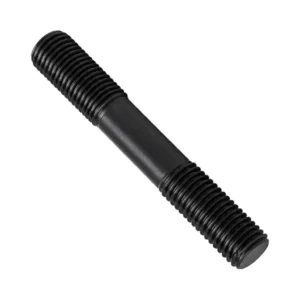
DIN 939 double end studs use a 1.25d tap-end thread to achieve reliable engagement in grey cast iron and cast housings. Typical uses include pump and valve assembly.
Standard
DIN 939
Material
Carbon Steel, Alloy Steel, Stainless Steel
Size Range
M4 to M52
Product Information
Product Code
CB-DIN939-DES
Standard
DIN 939
Material
Carbon Steel, Alloy Steel, Stainless Steel
Grade
5.8, 8.8, 10.9, A2-70, A4-80
Size Range
M4 to M52
Surface Finish
Plain, Zinc Plated, Hot Dip Galvanized
Packaging
Bulk packaging, carton packaging, pallet packaging, and custom packaging available.
Customization
Customization available. Custom sizes, special materials, and special surface finishes.
Lead Time
Negotiable
Product Overview
DIN 939 double end studs are threaded at both ends with a plain shank between them, and their distinguishing dimension is the tap-end thread length of approximately 1.25d. That extra quarter-diameter of engagement, compared with the 1d tap end of DIN 938, exists for one reason: grey cast iron and other cast materials have lower thread shear strength than steel, and a 1d engagement in such a tapped hole can strip before the stud itself reaches its rated load. By extending the tap-end thread to 1.25d, DIN 939 brings joint strength back in line with the stud’s own property class rather than leaving the parent material as the limiting factor.
This matters because DIN 938 and DIN 939 are often specified interchangeably in catalogues, yet they are not interchangeable in service. The choice between them is a question of what the tapped component is made from. DIN 938 suits steel housings; DIN 939 suits cast iron, and it is the standard reference for studs threaded into grey cast iron pump bodies, valve covers, and compressor housings. DIN 939 also finds use in aluminium and light alloy components where increased thread-in length is required, though DIN 835 with its 2d engagement becomes the better option as base material strength drops further.
The thread fit is designed for 6H/6g assembly, meaning the tap-end thread is produced to tolerance class 6g for engagement with a standard 6H internal thread. This is a normal clearance fit, not the interference fit of Sk6 used in some other DIN stud standards. DIN 939 covers metric coarse threads from M4 to M52 and metric fine threads from M8×1 to M52×3 in product class A. Carbon steel versions are available in property classes 5.8, 8.8, and 10.9, and stainless steel versions in A2-70 and A4-80, with A4 suitable for washdown, marine, and process-chemical environments where cast-iron housings are in continuous contact with moisture or process fluid. Where a stud is permanently screwed into a cast housing and the clamped component is expected to be removed and refitted over the service life of the equipment, the 1.25d engagement also protects the housing thread during repeated disassembly.
Related Products
Ready to Source This Fastener?
Need a quotation, technical support, or custom fastener solutions? Complete the form below, and we'll provide the information you need for your project.