
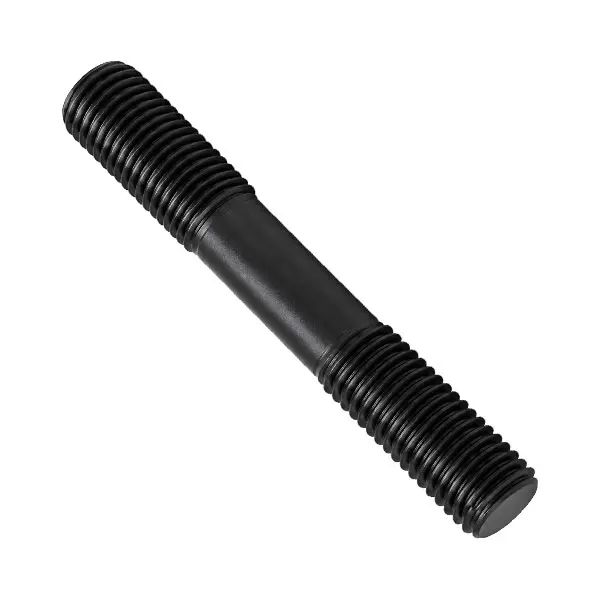
DIN 835 Double End Studs
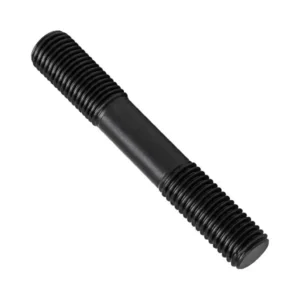
DIN 835 double end studs feature a metal-end thread length of approximately 2d and a longer nut-end thread for secure threaded connections in machinery.
Standard
DIN 835
Material
Carbon Steel, Alloy Steel, Stainless Steel
Size Range
M4-M24
Product Information
Product Code
CB-DIN835-DES
Standard
DIN 835
Material
Carbon Steel, Alloy Steel, Stainless Steel
Grade
5.8, 8.8, 10.9, A2-70, A4-80
Size Range
M4-M24
Surface Finish
Plain, Zinc Plated, Black Oxide, Hot Dip Galvanized
Packaging
Bulk packaging, carton packaging, pallet packaging, and custom packaging available
Customization
Custom sizes, materials, surface finishes, and OEM requirements available
Lead Time
Negotiable
Product Overview
DIN 835 double end studs are headless threaded fasteners with threads on both ends and an unthreaded shank between them. The defining feature of this standard is the screw-in end thread length of approximately 2d (two times the nominal diameter), which distinguishes it from DIN 938 (1d) and DIN 939 (1.25d) studs. This longer engagement length distributes load across more threads, reducing the risk of stripping when the stud is threaded into softer materials such as aluminum alloys or cast iron.
DIN 835 studs are available in two thread configurations: a metal end with a thread length of 2d and a nut end with a shorter thread length. For lengths up to 125 mm, the nut-end thread length (b₂) follows a defined ratio to the overall length; longer studs may be fully threaded depending on the length-to-diameter relationship. The standard covers metric coarse threads from M4 to M24 and fine pitch threads from M8×1 to M24×2, produced in product grade A. Studs with a nominal length equal to or less than 2d + 6 mm are typically fully threaded by definition.
Common industry names for this product include double-ended studs, double-end threaded studs, and stud bolts. In some markets, they are also referred to as tap-end studs when the 2d screw-in end is the defining application feature.
The primary application of DIN 835 studs is in equipment assemblies where one end is permanently screwed into a tapped hole in a softer base material, while the other end accepts a nut to clamp a mating component. Typical industries include automotive (engine and exhaust component fixing), industrial machinery, pump and valve assembly, and flange connections in piping systems. When selecting a DIN 835 stud, the key considerations are the thread engagement depth in the base material, the stud grade matched to the mating component, and whether the nominal length requires a fully threaded or partially threaded configuration.
Related Products
Ready to Source This Fastener?
Need a quotation, technical support, or custom fastener solutions? Complete the form below, and we'll provide the information you need for your project.